Betting vs gambling The matter is best understood when you look at not just the definitions, but the real decision-making aspects of sports betting. For example: which event or market selection you are making, how the odds are changing, how clear the bet slip is, how much payment and account-related information is visible, and whether you are making decisions in the moment emotionally.
In short, betting Generally, it refers to placing a stake on a specific outcome—such as the match result, total goals, or any other sports market. And gambling it is a broad term that includes various chance-based games, including betting. However, the significant difference from the user's perspective lies in the nature of decision-making: sometimes there is more analytical feeling, and sometimes speed and emotion play a bigger role.
Betting vs gambling: where is the real difference in sports betting?
Many believe they are making data-driven decisions in sports betting. Because here you can see teams, form, match situations, market types, and even odds movements. For this reason, betting can sometimes seem more controlled or planned compared to general gambling.
However, this feeling can often be misleading. Because just seeing the data does not mean the risk decreases. Especially when:
- you do not fully understand the market
- the odds change rapidly
- you make hasty decisions after watching live action
- you make new selections to recover previous losses
That is, the difference between betting and gambling is not just in the category, but in the decision environment.There may be opportunities for analysis in sports betting, but impulsive behavior can also quickly creep in there.
Event, market depth, and pre-match vs live: what to look for
Some sports betting experiences may feel more like gambling, while others may feel comparatively more structured—this largely depends on event selection. ও market complexity-on.
simple market vs complex market
Common markets like match winner, over/under, or basic handicap may be relatively understandable for beginners. But as the market becomes complex, the chances of making wrong decisions can increase. For example:
- player-specific market
- multi-leg bet
- combo selection
- live micro-market
Here, practical rules could be: It is not advisable to place a hasty stake in a market that cannot be explained in one or two lines.
Pre-match and live context are not the same
In pre-match, there is generally more time to think. You watch the event, read the market, and then make a decision. But in live betting, the pace is much faster. Therefore, the same user may remain controlled in pre-match but can become impulsive in live.
Market naming and selection clarity
Confusion increases when the same thing is written differently. So when comparing, check:
- whether the name of the market is clear
- whether you can understand what outcome the selection refers to
- whether multiple legs on the same slip can be viewed separately
- whether changes in odds are clearly shown
Why live odds movement can make betting feel like gambling
A major reason sports betting feels different is analysis. But in live situations, that analysis often falls behind and comes to the forefront. Instant reaction।
Time pressure
Goals, wickets, red cards, injuries, or any other sudden events can change the odds. At that time, the time to make a decision decreases. This limited time forces many to take stakes not by thinking, not by observing, but rather based on reaction.
The mental pressure of odds movement
When odds decrease, it may seem like it must be taken now. When odds increase, it may seem like an opportunity has arisen. But in both cases, the question is the same: Are you making decisions because of information, or under the pressure of the moment?
Loss-chasing
It is very common behavior to immediately look for another market after missing a live bet. In this area, sports betting can quickly shift towards a broader gambling pattern. Then the focus is not on understanding the market; the focus becomes on recovering losses.
When thinking about live betting, you can ask yourself these three questions:
- Am I caught up in the emotion of the event?
- Am I understanding the selection, or do I just want action?
- Is this bet coming from the urge to recover previous losses?
Bet slip, stake confirmation, and interface clarity: the real metrics of comparison
Many talk about big concepts when comparing betting versus gambling, but in reality, the user experience depends on small control points. Among these, the most important is bet slip।
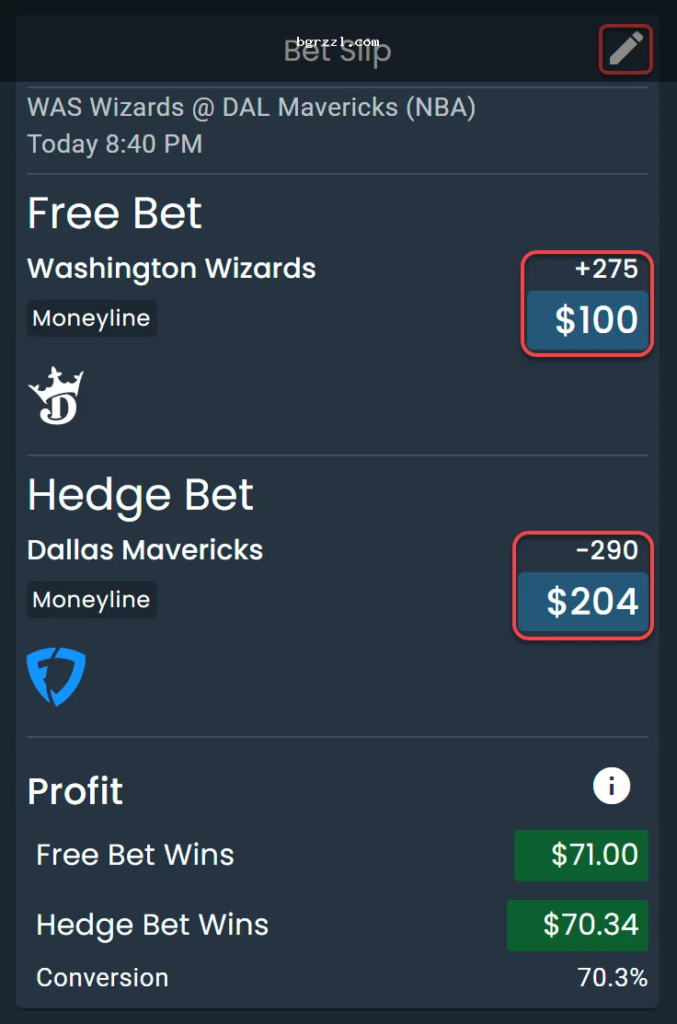
Clarity bet slip Generally helps you reduce mistakes. An unclear slip can increase haste instead. So when evaluating any platform or experience, check:
- Is the selection clearly written?
- Is the stake, total cost, and potential payout understandable separately?
- Is there an opportunity to review before confirming?
- Does it show odds changes in a noticeable way?
- Is there a risk of accidental tap or quick confirmation?
The main issue here is not a beautiful design; rather, how easy or difficult it is to make a mistake.।
Betting vs gambling: a practical comparative table for decision-making.
| What to look for | How it is seen in sports betting. | How to think about broader gambling. |
|---|---|---|
| Basis for decision-making. | Specific event, market, odds, match context. | In many cases, the feeling of chance or quick outcome is greater. |
| Understanding the market. | Risk increases from simple market to complex market. | If the format is not understood, quick repeat play can occur. |
| Pre-match vs live pressure. | More time to think in pre-match, more pressure in live. | If the pace is fast, impulsive play may increase. |
| Bet slip or confirmation. | Check if stake, selection, odds change is clear. | Check if there is a pause before spending or repeat action. |
| The feeling of control. | With analysis, control may feel greater. | randomness may seem more |
| real risk | overconfidence, live reaction, loss-chasing | speed, repetition, loss of control |
| what to verify during comparison | market naming, slip clarity, odds movement, review habit | decision speed, pause, spending awareness |
this comparison is not a definitive classification. In reality, betting and gambling can share both types of characteristics in the same space. Therefore, it is more important to observe the user's decision-making environment than the category.
Payment flow, withdrawal terms visibility, limits, and account checks: what to verify
many people think about the payment-related aspects later when comparing sports betting. But this part is very important to reduce impulsive use. Because without clear information about depositing money, viewing activity, understanding limits, or account restrictions, risks can increase.
instead of assuming there is a specific feature from a verification perspective See:
- whether the deposit or spending-related steps are clearly understood
- whether withdrawal-related terms or processing notes are easily found
- whether transaction records or history can be viewed
- whether it is understood in advance what will happen if pending, restricted, or account checks are needed
- whether any options for limit, pause, or control-setting are clearly shown where and how they work
here, a safe practice is: assume only if it can be shown, do not guess if it cannot be shown.
to put it more practically, consider these three scenarios:
Scenario 1: It's easy to deposit money, but hard to view the account.
If staking is quick but later it's hard to see transaction records, activity, or total expenses, then your control over decisions may decrease.
Scenario 2: There is language about limits, but usage is not understood.
It's not right to assume that any control-setting shown is effective. How to activate it, when it will be effective, and whether you understand it yourself—this is what matters.
Scenario 3: Account checks or restrictions suddenly come up.
If users cannot understand when an account-related check might occur, it increases their stress. Such opacity can worsen live or impulsive decision-making.
Practical warnings in sports betting comparison for Bangladeshi readers.
When searching for betting-related content from Bangladesh, many quickly believe generic claims, social posts, referral content, or “official” type words. But there are specific tests that are more useful when making comparisons.
Match what you see in search results or landing pages.
| What to compare | Why it's important |
|---|---|
| Is the name of the market consistent and clear? | Confusing naming can increase wrong selections. |
| Is it understood when odds change? | Confirming with old notions under live pressure is risky. |
| Is there an opportunity to review the bet slip? | It's easier to catch wrong stakes or wrong markets. |
| Do limit or account-related details stand out? | Using without understanding control and conditions is risky. |
| Is it possible to view transaction records? | Tracking expenses and activity is essential. |
The focus here should not be on quick action., Transparency verification।
Which signals really matter when comparing sports betting
Betting vs gambling To get practical answers to the question, you shouldn't just get stuck in the debate of “which is more skill-based.” Instead, see in which situations your decisions are made more calmly and in which situations they change due to emotions.
Pay special attention to these signals:
- Are you more controlled in pre-match but quickly break down in live?
- Do you understand simple markets but show the same confidence in complex markets as well?
- Do you have a habit of confirming without reading the bet slip?
- Do you move on to the next selection without looking at the transaction or total expenses?
- Does your market choice change after a loss?
There is a difference between betting and gambling, but the similarities are also clear: Both can lead to impulsive decisions, if you do not consider these five things together: market, odds, slip clarity, payment visibility, and your own behavior. Therefore, give more importance to decision setup than category when comparing.